
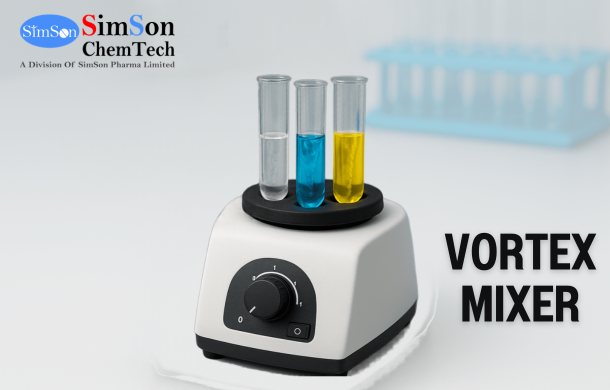
Introduction to Vortex Mixer
In modern laboratories, precision and efficiency are non-negotiable. Among the various tools that scientists rely on, the vortex mixer has earned a top spot. Known for its speed, versatility, and reliability, this small yet powerful device simplifies mixing tasks that would otherwise be time-consuming and inconsistent. Whether you’re working in a clinical lab, a university research center, or an industrial facility, a vortex mixer ensures samples are blended thoroughly and consistently.
What is a Vortex Mixer?
A vortex mixer is a laboratory device designed to mix small liquid samples quickly. It typically consists of an electric motor with a vertically oriented drive shaft attached to a rubber cup. When a test tube or vial is pressed against this cup, the motion creates a vortex-like swirl in the liquid, mixing it efficiently. This is especially useful when dealing with chemicals, reagents, or biological samples that need thorough but gentle mixing.
History and Evolution of Vortex Mixers
The concept of vortex mixing was introduced in the 1960s, and since then, it has undergone continuous innovations. Early versions were bulky and limited in functionality, but today’s mixers are compact, digital, and often designed for multi-tube handling. The evolution reflects the growing demand for faster, safer, and more reliable lab equipment.
Why Vortex Mixers Are Essential in Modern Laboratories
Without proper mixing, scientific experiments risk inconsistency and unreliable results. Vortex mixers eliminate this problem by ensuring uniformity across samples. They’re also crucial in processes like DNA extraction, protein analysis, and chemical testing, where precision is key.
How Does a Vortex Mixer Work?
The science behind vortex mixing is both simple and effective.
The Science Behind Vortex Mixing
When a tube is pressed against the rubber cup, the motor drives rapid circular motion. This motion causes the liquid inside the container to spin, forming a vortex funnel. The swirling action quickly disperses substances within the solution, creating a homogeneous mixture.
Components and Mechanism
A typical vortex mixer includes:
-
Base unit with a motor
-
Rubber mixing head (cup or pad)
-
Speed control system (analog or digital)
-
On/off switch or touch-activated sensor
Different Modes of Operation
Most vortex mixers operate in two main modes:
-
Continuous Mode – runs constantly at a set speed.
-
Touch Mode – activates when the tube touches the mixing head.
This flexibility allows users to choose the most suitable method for their application.
Types of Vortex Mixers
Not all vortex mixers are the same. They vary in design, size, and capabilities.
Analog Vortex Mixers
Simple and affordable, these mixers feature knob-based controls for speed adjustment. Ideal for small labs.
Digital Vortex Mixers
Equipped with digital displays and programmable settings, these mixers allow for more precise control, making them popular in research and clinical labs.
Multi-Tube Vortex Mixers
Designed for high-throughput laboratories, these can handle multiple test tubes simultaneously, increasing efficiency.
Mini Portable Vortex Mixers
Compact and battery-powered, these mixers are great for fieldwork or laboratories with limited bench space.
Applications of Vortex Mixer
The versatility of a vortex mixer makes it indispensable across multiple industries.
In Clinical Laboratories
In hospitals and diagnostic centers, vortex mixers are used to mix blood samples, reagents, and culture media. Their ability to ensure uniformity is critical for producing accurate diagnostic results.
In Biological and Chemical Research
Researchers use vortex mixers in DNA and RNA extraction, protein studies, and enzyme reactions. They are also essential in preparing buffers, reagents, and suspensions, ensuring reproducibility in sensitive experiments.
Industrial and Pharmaceutical Uses
In the pharmaceutical sector, vortex mixers are employed to homogenize drug samples, dissolve powders, and prepare chemical formulations. Industrial labs also use them for cosmetic formulations, food analysis, and quality control testing.
Advantages of Using a Vortex Mixer
The popularity of vortex mixers isn’t without reason—they offer several key benefits.
Time-Saving and Efficiency
What could take minutes or even hours by manual shaking can be accomplished in seconds using a vortex mixer.
Accuracy and Consistency
By removing human error, vortex mixers ensure that every mixture has the same uniformity—vital in scientific experiments.
User-Friendly Design
Most mixers are compact, lightweight, and easy to operate. Even non-specialists can quickly learn how to use them effectively.
Limitations and Safety Concerns
Although extremely useful, vortex mixers have certain limitations.
Common Mistakes to Avoid
-
Overfilling tubes can lead to spillage.
-
Using fragile or incompatible containers may cause breakage.
-
Running at maximum speed unnecessarily may wear out the device faster.
Safety Precautions During Operation
-
Always secure the test tube properly.
-
Avoid direct contact with the spinning head.
-
Use personal protective equipment (PPE) like gloves and goggles.
How to Choose the Right Vortex Mixer
Buying a vortex mixer requires careful consideration.
Key Features to Look For
-
Adjustable speed range
-
Digital or analog control options
-
Tube capacity (single vs. multi-tube)
-
Build quality and durability
Best Brands and Models
Some of the leading brands include Thermo Fisher Scientific, IKA, Benchmark Scientific, and Labnet International.
Cost vs. Performance Considerations
Prices range from $100 for entry-level models to $1,500+ for advanced, high-capacity versions. Consider your lab’s needs before investing.
Maintenance and Care Tips
Proper care extends the lifespan of your mixer.
Cleaning and Sterilization
-
Wipe the mixing head with alcohol after use.
-
Regularly clean the base to prevent dust buildup.
Troubleshooting Common Issues
-
Mixer not starting? Check power connections.
-
Unusual noise? Could be due to loose internal parts.
-
Irregular mixing? Inspect the rubber cup for wear and tear.
Comparison: Vortex Mixer vs. Other Lab Mixers
Understanding how vortex mixers differ from other devices helps in making the right choice.
Vortex Mixer vs. Magnetic Stirrer
-
Vortex Mixer: Best for small, individual samples in tubes.
-
Magnetic Stirrer: Ideal for larger volumes in beakers or flasks.
Vortex Mixer vs. Overhead Stirrer
-
Vortex Mixer: Rapid, surface-level mixing.
-
Overhead Stirrer: Handles viscous solutions and larger volumes.
Buying:
To Purchase or Enquire: Buy Vortex Mixer from SimsonChemtech
Looking to buy a reliable and efficient Vortex Mixer for your laboratory needs? SimsonChemtech offers high-quality Vortex Mixers designed for quick mixing of samples in test tubes, vials, or small bottles.
Our Vortex Mixers ensure consistent performance, variable speed control, and a durable build to support your daily lab operations.
You can buy a Vortex Mixer from trusted manufacturers, suppliers, and exporters in India. For premium-quality Vortex Mixers, Simson Chemtech is a leading manufacturer and supplier in India.
? Features:
-
Compact and robust design
-
Adjustable speed settings
-
Quiet operation
-
Suitable for various tube sizes
-
Ideal for mixing liquids, reagents, and cell suspensions
? To Enquire or Place an Order:
Contact SimsonChemtech today for pricing, specifications, and delivery options.
Visit our website or reach out via email or phone for personalized assistance.
Best Vortex Mixers for Small Labs
-
Benchmark Vornado Mini Vortex Mixer – Compact, affordable, and portable.
Best Vortex Mixers for Large-Scale Research
-
IKA VORTEX 3 – Heavy-duty, digital control, multi-tube compatible.
Future of Vortex Mixers
As laboratory technology advances, vortex mixers continue to evolve.
Technological Innovations
Expect more smart mixers with programmable features, touchscreens, and integration with lab automation systems.
Sustainability and Eco-Friendly Designs
Manufacturers are moving toward energy-efficient motors and eco-friendly materials, reducing environmental impact.
Conclusion: Why Every Lab Needs a Vortex Mixer
A vortex mixer may be small, but its impact is immense. From enhancing research accuracy to saving valuable time, it is an indispensable tool across laboratories worldwide. Whether you’re in a clinical, research, or industrial setting, investing in the right vortex mixer ensures efficiency, precision, and reliability in every experiment.
FAQs About Vortex Mixer
1. What is the main purpose of a vortex mixer?
Its primary purpose is to mix small liquid samples quickly and efficiently, ensuring uniformity.
2. Can vortex mixers be used with all types of test tubes?
They work best with standard glass or plastic tubes. However, always check compatibility with the mixer head.
3. How fast does a vortex mixer operate?
Speeds vary, but most operate between 500–3,000 RPM, depending on the model.
4. Is a vortex mixer suitable for viscous liquids?
Not always. Highly viscous liquids may require an overhead stirrer instead.
5. How do I maintain a vortex mixer?
Regular cleaning, avoiding overuse, and checking for wear on the rubber cup ensure long-lasting performance.
6. Are vortex mixers expensive?
They range from budget-friendly $100 models to high-end mixers costing over $1,000, depending on features and capacity.