
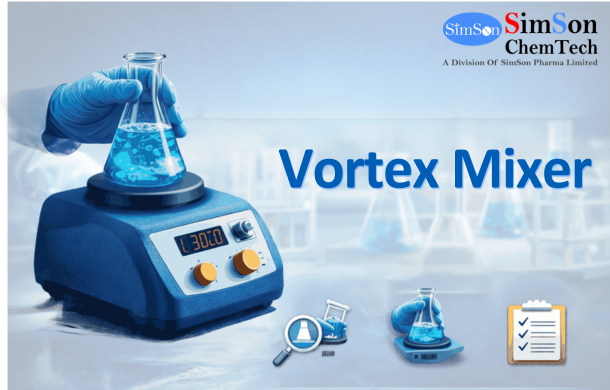
What Is a Vortex Mixer and Why It Matters
A Vortex Mixer is a common laboratory device designed to mix small liquid samples quickly and efficiently. It works by creating a circular, vortex-like motion that rapidly blends liquids inside test tubes, vials, or small containers. This simple yet powerful device is essential in biology, chemistry, medical, and research laboratories
Understanding how to use a Vortex Mixer correctly helps ensure consistent sample preparation, accurate test results, and safe lab practices. Whether you are a student stepping into a lab for the first time or a seasoned researcher, mastering this tool saves time and reduces errors.
Key Components of a Vortex Mixer
A typical Vortex Mixer includes the following parts:
· Motor Base: Provides the rotational motion
· Rubber Mixing Cup or Platform: Holds tubes or plates
· Speed Control Dial: Adjusts mixing intensity
· Operating Modes: Touch mode or continuous mode
· Non-Slip Base: Keeps the mixer stable during operation
Each component plays a role in delivering smooth and controlled mixing.
Types of Vortex Mixer Used in Laboratories
Not all vortex mixers are the same. Common types include:
· Analog Vortex Mixer: Manual speed control, simple operation
· Digital Vortex Mixer: Precise speed display and timer
· Microplate Vortex Mixer: Designed for plates instead of tubes
· High-Speed Vortex Mixer: Suitable for viscous solutions
Choosing the right type depends on sample volume, frequency of use, and required precision.
Safety Precautions Before Using a Vortex Mixer
Before learning how to use a Vortex Mixer, safety comes first:
· Wear lab gloves and eye protection
· Ensure tubes are tightly capped
· Place the mixer on a flat, stable surface
· Avoid overfilling containers
· Keep loose clothing and hair away from moving parts
Following these precautions minimizes spills and accidents.
How to Use a Vortex Mixer: Step-by-Step Guide
Preparing Samples Correctly
Start by placing your liquid sample in a clean, compatible tube. Ensure the cap or lid is secure. Label samples clearly to avoid mix-ups.
Setting Speed and Mode
Turn on the Vortex Mixer and select the desired speed.
· Low speed: Gentle mixing
· High speed: Rapid, thorough blending
Choose touch mode for quick mixing or continuous mode for longer runs.
Mixing Techniques for Best Results
Hold the tube vertically and gently press it against the rubber cup. Allow the vortex to form naturally. Mix for a few seconds until the liquid appears uniform. Avoid excessive mixing, which may cause foaming or heat buildup.
Common Applications of a Vortex Mixer
A Vortex Mixer is widely used for:
· Mixing reagents and buffers
· Resuspending cell pellets
· Blending DNA, RNA, or protein samples
· Preparing clinical and diagnostic samples
· Educational lab experiments
Its versatility makes it a lab essential.
Best Practices for Efficient Mixing
To get consistent results:
· Use the correct speed for your sample type
· Mix in short intervals
· Clean spills immediately
· Use appropriate tube sizes
These habits extend equipment life and improve accuracy.
Mistakes to Avoid When Using a Vortex Mixer
Common errors include:
· Using cracked or loose tubes
· Mixing at maximum speed unnecessarily
· Ignoring unusual noises or vibrations
· Skipping routine cleaning
Avoiding these mistakes keeps both samples and equipment safe.
Cleaning and Maintenance Tips
After use:
1. Turn off and unplug the Vortex Mixer
2. Wipe the rubber cup with mild disinfectant
3. Clean the exterior with a damp cloth
4. Inspect for wear or damage
Routine maintenance ensures long-term performance.
Troubleshooting Common Vortex Mixer Issues
Choosing the Right Vortex Mixer for Your Lab
When buying a Vortex Mixer, consider:
· Speed range
· Sample capacity
· Digital vs analog controls
· Budget and warranty
For more lab equipment guidance, visit https://www.labmanager.com.
Frequently Asked Questions (FAQs)
1. What is the main purpose of a Vortex Mixer?
A Vortex Mixer is used to quickly mix small liquid samples evenly.
2. Can a Vortex Mixer damage samples?
Yes, excessive speed or time may shear delicate samples.
3. Is a Vortex Mixer suitable for viscous liquids?
Yes, but higher speeds may be required.
4. How long should samples be vortexed?
Usually 2–10 seconds, depending on volume and viscosity.
5. Can I vortex open containers?
No, always cap containers to prevent spills.
6. How often should a Vortex Mixer be cleaned?
After every use or immediately after spills.
Conclusion: Mastering the Vortex Mixer
Learning how to use a Vortex Mixer correctly is a vital laboratory skill. With proper technique, safety awareness, and routine maintenance, this small device delivers big results. By following this how to use a Vortex Mixer guide, you’ll achieve consistent mixing, protect your samples, and work more efficiently in any lab setting.