
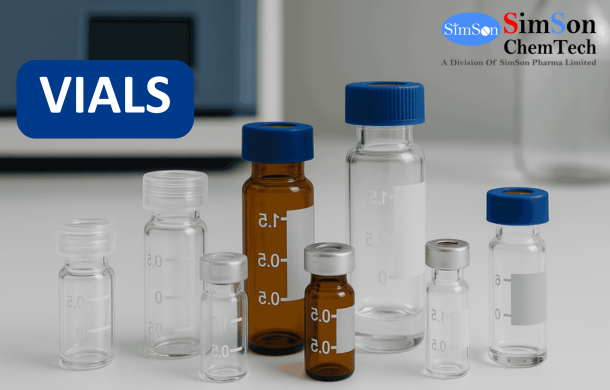
Introduction to Vials Types for Pharmaceuticals: A Comprehensive Guide
In the pharmaceutical industry, vials play a critical role in ensuring drug safety, stability, and effectiveness. This article on Vials Types for Pharmaceuticals: A Comprehensive Guide explores how different vial types are designed, manufactured, and selected to meet strict medical and regulatory requirements.
Vials are small containers-typically cylindrical-used to store injectable drugs, vaccines, biologics, and diagnostic reagents. They may appear simple, but choosing the wrong vial can compromise drug quality, patient safety, and regulatory compliance. That’s why understanding vial types is essential for manufacturers, healthcare professionals, and procurement teams alike.
This guide covers vial materials, sizes, usage categories, advantages, limitations, and compliance standards, all explained clearly at a Grade 7 reading level.
What Are Pharmaceutical Vials and Why Are They Important?
Pharmaceutical vials are sterile containers designed to hold liquid, lyophilized (freeze-dried), or powdered medications. They are sealed with rubber stoppers and aluminum caps to maintain sterility.
Key Functions of Pharmaceutical Vials
- Protect drugs from contamination
- Maintain chemical stability
- Enable accurate dosing
- Support long-term storage
- Comply with global safety regulations
Regulatory bodies such as the Food and Drug Administration and United States Pharmacopeia strictly govern vial materials and performance standards.
Classification by Material Type
Glass is the most widely used vial material due to its chemical resistance and transparency.
Type I (Borosilicate Glass)
- Highest chemical resistance
- Ideal for injectables and biologics
- Used for sensitive drugs and vaccines
Type II (Treated Soda-Lime Glass)
- Surface-treated for better resistance
- Suitable for acidic or neutral solutions
Type III (Soda-Lime Glass)
- Lower chemical resistance
- Common for oral liquids and powders
Plastic Vials
Plastic vials are lightweight and shatter-resistant.
- Made from PP or HDPE
- Lower cost and safer handling
- Less chemical resistance than glass
- Common in diagnostics and oral medications
Classification by Drug Form
Liquid Drug Vials
Used for solutions and suspensions, especially injectables.
Lyophilized (Freeze-Dried) Drug Vials
- Contain powdered drugs
- Require reconstitution before use
- Extend shelf life significantly
Powder-Filled Vials
Used when drugs are unstable in liquid form.
Single-Dose vs Multi-Dose Vials
Single-Dose Vials
- Intended for one-time use
- No preservatives
- Lower contamination risk
Multi-Dose Vials
- Designed for multiple withdrawals
- Contain preservatives
- Cost-effective for hospitals
Vial Sizes and Volume Ranges
Pharmaceutical vials come in standardized sizes:
|
Vial Size (mL) |
Common Use |
|
1–3 mL |
Pediatric doses |
|
5–10 mL |
Vaccines |
|
20–30 mL |
Antibiotics |
|
50–100 mL |
Infusions |
Choosing the right size minimizes drug waste and dosing errors.
Rubber Stoppers and Sealing Systems
The vial closure system is just as important as the vial itself.
Rubber Stoppers
- Made from butyl or chlorobutyl rubber
- Must be compatible with the drug
- Prevent leaks and contamination
Aluminum Caps
Secure the stopper
Provide tamper evidence
Regulatory and Quality Standards
Pharmaceutical vials must meet international standards such as:
- USP <660> (Glass Containers)
- ISO 8362 (Injection Vials)
- FDA cGMP guidelines
You can explore detailed standards through trusted external sources like the USP official website: https://www.usp.org
Advantages of Using the Right Vial Type
- Improved drug stability
- Reduced contamination risk
- Better patient safety
- Regulatory compliance
- Cost efficiency
Selecting the proper vial is not optional-it’s a necessity.
Common Challenges with Pharmaceutical Vials
- Glass delamination
- Extractables and leachables
- Breakage during transport
- Compatibility with biologics
Manufacturers continuously innovate to overcome these issues.
Future Trends in Pharmaceutical Vials
- Ready-to-use sterile vials
- Polymer-based high-barrier vials
- Smart vials with traceability
- Sustainable packaging materials
The future of vial technology is focused on safety, efficiency, and sustainability.
Frequently Asked Questions (FAQs) – Vials Types for Pharmaceuticals
1. Why are glass vials preferred for injectables?
Glass offers excellent chemical resistance and does not react with most drugs.
2. Are plastic vials safe for pharmaceuticals?
Yes, for certain applications like diagnostics and oral drugs.
3. What is the difference between Type I and Type II glass vials?
Type I has higher chemical resistance than Type II.
4. Can one vial be used for multiple patients?
Only multi-dose vials are designed for multiple uses, following strict guidelines.
5. How are vial sizes selected?
Based on dosage volume, drug stability, and usage frequency.
6. Do vials affect drug shelf life?
Absolutely. The wrong vial can shorten shelf life and reduce efficacy.
Conclusion
This Vials Types for Pharmaceuticals: A Comprehensive Guide highlights why vials are far more than simple containers. From material selection to regulatory compliance, every vial decision impacts drug safety and patient outcomes. As pharmaceutical innovation grows, vial technology will continue to evolve-making informed choices more important than ever.