
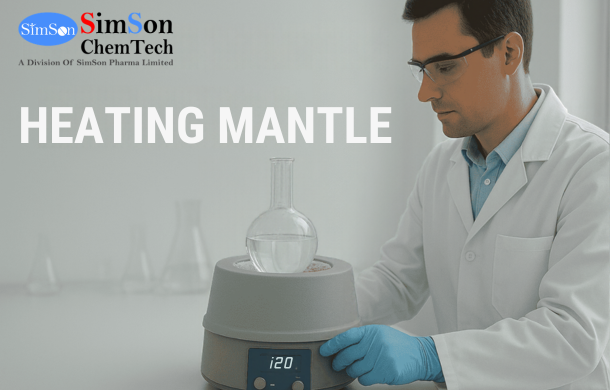
In every laboratory, achieving precise and safe heating is crucial. The heating mantle stands as one of the most reliable devices for this task. Unlike open flames, it provides even and controlled heat without the risk of combustion. Whether you’re working in an educational setting, a research institution, or an industrial lab, a heating mantle ensures consistency and safety in every experiment.
What is a Heating Mantle?
A heating mantle is a laboratory apparatus designed to apply uniform heat to round-bottom flasks or similar containers. It uses an insulated fabric jacket with embedded electrical resistance wires that gently warm the vessel. This design prevents direct glass-to-flame contact, reducing breakage risks and ensuring even heat distribution.
Heating mantles are particularly useful for volatile substances or when an oil bath or Bunsen burner would be unsafe. They come in various sizes to accommodate flasks from 50 mL up to 5 liters or more.
History and Evolution of Heating Mantles
The first heating mantles were developed in the mid-20th century as a safer alternative to open flames. Early versions used asbestos insulation, which was later replaced by fiberglass and ceramic fiber materials. Today’s mantles feature digital temperature control, magnetic stirring, and even programmable heating cycles, making them indispensable tools for precision chemistry.
Types of Heating Mantles
Single-Position Heating Mantles
These are ideal for individual experiments, offering straightforward heating for one flask at a time. They’re compact, affordable, and commonly used in teaching labs.
Multi-Position Heating Mantles
For researchers running multiple reactions simultaneously, these mantles feature 2–6 heating positions with individual temperature controls—saving time and increasing productivity.
Stirring Heating Mantles
These combine magnetic stirring with heating, ensuring uniform mixing and heat distribution—vital for exothermic reactions or solubility studies.
Digital vs. Analog Heating Mantles
Digital models provide precise temperature settings, while analog types use manual dials. Digital mantles are preferred for complex reactions that require tight thermal regulation.
Key Components and Design of a Heating Mantle
A heating mantle typically includes:
-
Insulated Fabric Exterior: Protects users from burns while maintaining efficiency.
-
Heating Element: Made of nichrome wire, responsible for generating heat.
-
Control Unit: Regulates power input to adjust temperature.
-
Support Stand or Clamp: Ensures stability during operation.
This ergonomic design allows for consistent heating without direct flame exposure, making it both efficient and safe.
How Does a Heating Mantle Work?
Electric current passes through the resistance wire inside the mantle, generating heat. This heat transfers to the flask evenly, ensuring consistent temperature control across the liquid. Some models feature built-in thermocouples to maintain precise heating ranges.
Advantages of Using a Heating Mantle
Compared to Bunsen burners and hot plates, heating mantles provide:
-
Flame-free heating – ideal for flammable substances.
-
Even heat distribution – prevents local overheating.
-
Safety and reliability – reduced risk of glass breakage.
-
Energy efficiency – consumes less power than traditional heaters.
These advantages make heating mantles the preferred choice for sensitive chemical syntheses.
Applications of Heating Mantles in Laboratories
Heating mantles are widely used in:
-
Organic synthesis and distillation.
-
Evaporation and reflux reactions.
-
Sample preparation for spectroscopy.
-
Biochemical testing and industrial quality control.
From high school chemistry to pharmaceutical research, they’re an essential component in almost every experimental setup.
How to Use a Heating Mantle Safely
-
Always inspect cords and plugs before use.
-
Never operate without a temperature controller.
-
Ensure the flask fits snugly into the mantle.
-
Avoid spills-clean immediately if any liquid contacts the heating surface.
-
Use heat-resistant gloves and follow lab safety protocols.
Maintenance and Troubleshooting Tips
To extend your mantle’s lifespan:
-
Regularly check insulation for damage.
-
Avoid overheating by monitoring temperature closely.
-
Store in a dry, dust-free environment.
-
Replace frayed cords immediately.
If the mantle stops heating, inspect the fuse, power cord, or control unit before use.
Environmental and Energy Considerations
Modern mantles feature eco-friendly materials and low-energy designs, reducing power consumption while maintaining performance. Always opt for models that meet energy compliance standards to support sustainable lab practices.
Simson Chemtech – Leading Manufacturers, Suppliers, and Exporters of Heating Mantles
Simson Chemtech is one of the trusted manufacturers, suppliers, and exporters of heating mantles in India, delivering reliable laboratory heating solutions for precise temperature control. Designed to meet the demanding needs of research and industrial laboratories, Simson Chemtech’s heating mantles ensure uniform heat distribution and safe operation for various flask capacities.
With a strong commitment to quality, performance, and innovation, the company offers a wide range of digital and analog heating mantles, including stirring and non-stirring models. Every product is built using high-grade materials, ensuring long service life, energy efficiency, and consistent results.
Backed by ISO-certified standards and global export capabilities, Simson Chemtech continues to support laboratories worldwide with dependable scientific instruments and accessories.
Future Innovations in Heating Mantle Technology
Future designs are leaning toward IoT connectivity, AI-assisted temperature control, and smart sensors that automatically shut off in case of overheating—enhancing both efficiency and user safety.
Frequently Asked Questions (FAQs)
1. What is the purpose of a heating mantle?
It provides uniform, controlled heating for round-bottom flasks, minimizing risks associated with open flames.
2. Can I use a heating mantle for flammable liquids?
Yes, since it operates without a flame, it’s ideal for flammable and volatile substances.
3. How do I control the temperature accurately?
Use a digital controller or built-in thermostat for precise temperature adjustments.
4. Can heating mantles be repaired?
Minor issues like fuse replacement are possible, but serious electrical faults should be handled by professionals.
5. Are heating mantles energy-efficient?
Yes. Modern models use advanced insulation and efficient elements to conserve energy.
6. What’s the lifespan of a heating mantle?
With proper care, it can last 5–10 years depending on usage and maintenance.
Conclusion:
A heating mantle is an indispensable tool in any lab, combining safety, precision, and efficiency. By understanding its design, applications, and proper use, you can enhance your research outcomes while ensuring a safe working environment.